Garment Quality Management Process in the Apparel Industry
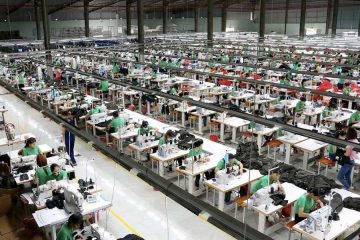
20/05/2026The textile and garment sector plays a vital role in our nation’s industry. Beyond meeting massive employment demands, the garment sector attracts significant foreign direct investment (FDI) into Vietnam. Our apparel products are highly regarded worldwide, thanks to skilled labor, high-quality raw materials, advanced machinery, and—equally crucial—an exceptionally effective Garment Quality Management Process.
Quality Control in the Garment Industry ensures that every product delivered to consumers meets the highest quality standards and is free from manufacturing defects. Even a single defective item may need to be repaired or reproduced to maintain shipment quality, protect customer satisfaction, and strengthen the brand reputation of garment manufacturers.
Why Quality Control Is Essential in the Garment Industry?
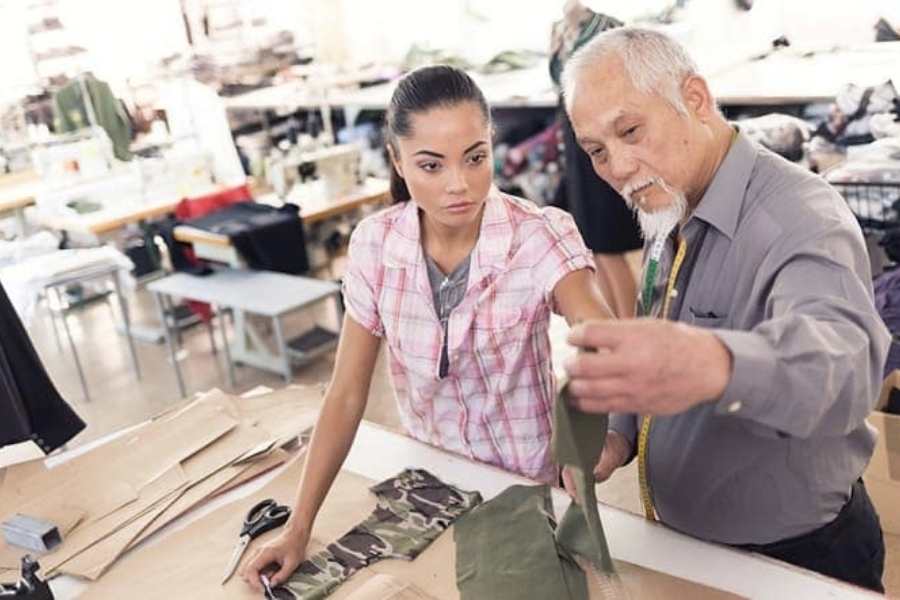
The Apparel Quality Management Process plays a critical role in garment manufacturing, as every product goes through multiple production stages involving design, labor, and machinery. Because of this complex workflow, quality control must be implemented at every stage to ensure consistent product standards, reduce manufacturing defects, and improve overall production efficiency for the following key reasons:
- Evaluates Workforce and Machine Performance: Helps manufacturers assess operator skills, machine efficiency, and overall production management performance within the garment manufacturing process.
- Maintains Quality Standards at Every Stage: Ensures accuracy, consistency, and quality control throughout every step of apparel production.
- Supports Immediate Defect Detection and Correction: Allows factories to quickly identify, repair, or reproduce defective garments directly on the production floor, reducing customer complaints and order cancellations.
- Reduces Production Costs and Protects Brand Reputation: Minimizes losses from product returns, rework, and shipment issues while strengthening the company’s reputation in the apparel industry.
- Improves Production Planning and Efficiency: Provides accurate production data to monitor workflow, estimate manufacturing costs, and ensure on-time delivery performance.
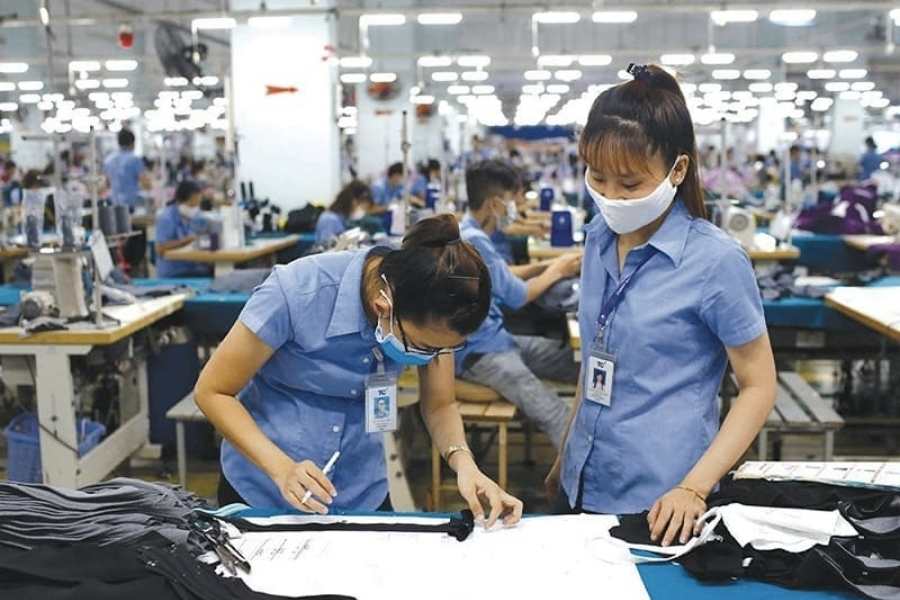
Standard Garment Quality Management Process
– Fabric and Material Inspection
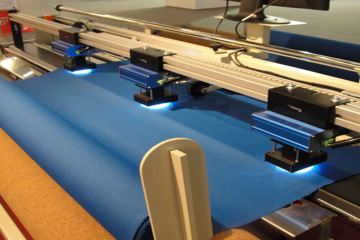
Raw materials are the foundation of high-quality garment production. This is also the first and one of the most critical steps in the apparel quality control process. Using incorrect materials without early detection can lead to significant financial losses due to material replacement, production delays, and wasted fabric that may no longer be suitable for other orders.
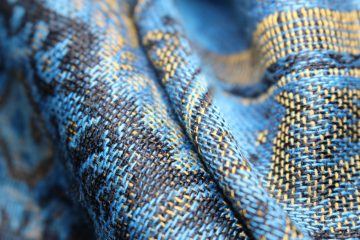
Each type of fabric has its own characteristics, strengths, and limitations. Therefore, manufacturers must carefully inspect all incoming materials before production begins. Fabric color, texture, composition, and performance must match the original design specifications. In addition, color combinations should be visually consistent to ensure the final garment meets both quality and aesthetic standards.
– Product Size and Measurement Inspection
Every garment product must meet precise size and measurement requirements. After each production stage, manufacturers should verify product dimensions before proceeding to the next process. This helps maintain consistency and prevents defects from continuing through the production line.
Many factories only perform final size inspections on completed garments. However, checking semi-finished products throughout the production process is equally important. Early inspection improves production efficiency, reduces rework costs, and ensures all products comply with quality standards and technical specifications.
– Sewing and Stitch Quality Inspection
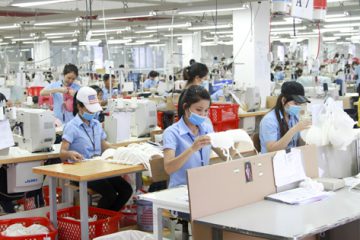
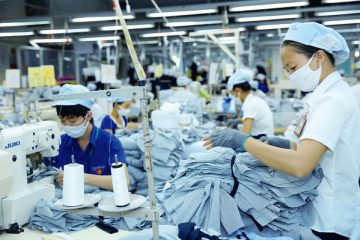
The durability and appearance of a garment are heavily influenced by stitching quality. Fabric panels must be sewn together securely and accurately, with clean seams and minimal visible thread when stretched. The fabric should also remain intact without excessive needle damage or large holes.
In addition, internal stitching quality must be inspected to ensure seams are straight, even, and consistent. High-stress areas such as underarms, crotch sections, and joint seams require extra attention to prevent seam opening, thread breakage, or tearing during use.
– Design Specification Comparison
Apparel quality management must ensure that finished garments fully match the original design specifications. Every product should meet all approved standards related to measurements, construction, materials, colors, logos, and overall appearance.
Even small deviations from the approved design can result in increased production costs, contract penalties, damaged brand reputation, and the loss of future business opportunities. Therefore, design compliance inspection is an essential part of garment quality assurance.
– Inspection of Additional Garment Details
Small garment components and finishing details must also be carefully inspected before products are delivered to customers. Common defect areas include zippers, buttons, buttonholes, fasteners, and spacing alignment between garment accessories. For premium-quality apparel, every detail must meet both durability and aesthetic standards.
Manufacturers should also inspect fabric elasticity and dimensional stability after sewing and pressing. Certain fabrics may shrink or stretch during production, so final inspection is necessary to ensure the garment still matches the original specifications and fit requirements.
Garment labels and tags are another important inspection point. Labels help customers identify product size, care instructions, and usage information, which are essential for maintaining product longevity and customer satisfaction.
In addition, some garments include printed or embroidered slogans, logos, branding elements, and custom typography. These details must be checked carefully to ensure the font style, wording, placement, and dimensions match the approved design. Printing or embroidery errors can negatively affect brand identity and overall product quality.
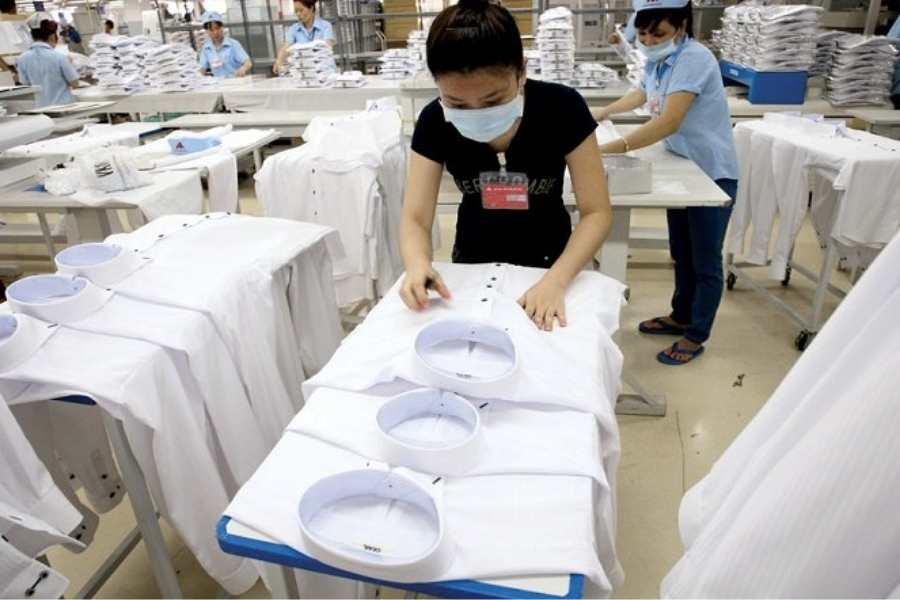
Principles of Garment Quality Management
-
Mastering technical requirements, workflows, production regulations, approved samples, and customer specifications.
-
Conducting effective cross-checks, timely detecting defects, and objectively demanding repairs and corrective actions.
-
Ensuring finished products are completely defect-free or maintain the lowest possible defect rate.
-
Preserving the original condition of the inspected products, avoiding any actions that could alter garment quality.
-
Ensuring absolute accuracy, care, and meticulousness throughout the entire process.
-
Keeping detailed records and comprehensive evaluations for each individual product.
Garment Quality Management and Garment Quality Control are extremely critical processes before launching products into the market. Therefore, every apparel enterprise needs a professional inspection team as well as advanced software, machinery, and efficient quality management systems. Come to Hoshima—we are ready to advise and provide comprehensive solutions for your garment business.
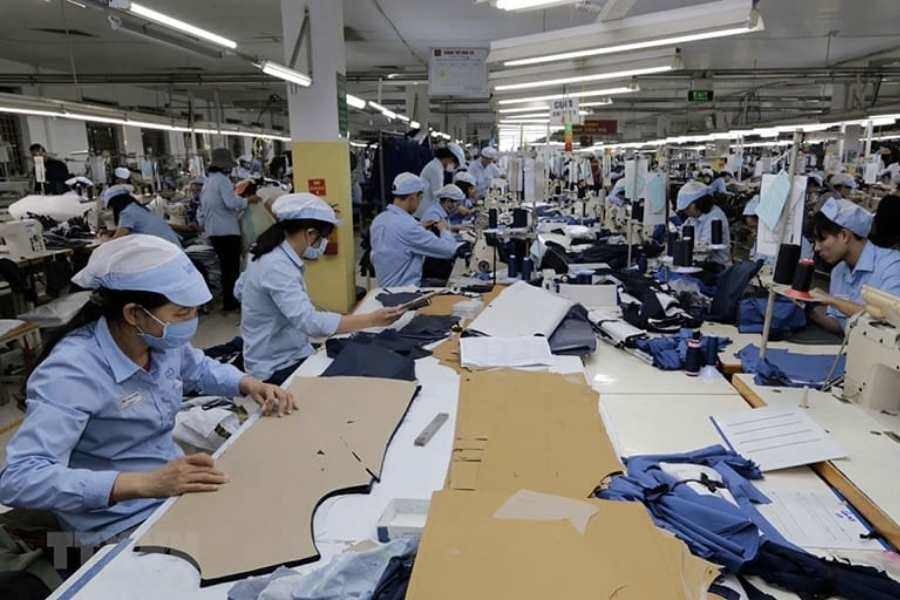
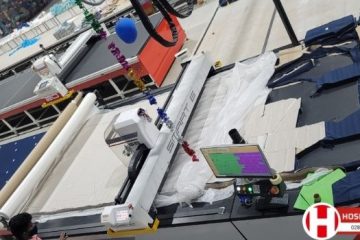
Hoang Ma Production Trading Service Company is a prestigious and exclusive provider of garment manufacturing machinery in Vietnam, offering competitive prices and attentive, on-site after-sales policies. Our product portfolio includes: Shelton Fabric Inspection System, C-tex Fabric Inspection Machine, C-tex Fabric Relaxing Machine, C-tex Color Assessment Machine, Cosma Automatic Fabric Spreading Machine, Cosma Automatic Labeling Machine, Cosma Automatic Fabric Cutting Machine, Automatic String Threading Machine, Automatic Loop Tacking Machine, Automatic Cuff Sewing Machine, Automatic Shirt Placket Sewing Machine, Automatic Heat Transfer Labeling Machine, Programmable Pattern Sewing Machine, 2-in-1 Overlock and Interlock Sewing Machine, Automatic Elastic Band Joining Machine, Small-size Programmable Pattern Sewing Machine, Bar-tacking Machine, Automatic Belt Loop Attaching Machine, Automatic Button Feeder, Automatic Button Attaching Machine, Automatic Trouser Hemming Machine, Automatic Waistband Sewing Machine, Automatic Pocket Welting Machine, Automatic Pocket Attaching Machine, Feed-the-Arm Double Chainstitch Machine (Lap Seaming Machine), Automatic Garment Folding and Packaging Machine, RFID Features, Automatic Tunnel Finisher (Ironing Tunnel), AGV Robots, and INA Automatic Overhead Hanging Conveyor System.
Contact us for a consultation or to schedule a machine demo at our showroom:
-
Phone: (+84) 0983 309 910 (WhatsApp, WeChat, Zalo)
-
Email: marketing@hoshima-int.com
-
LinkedIn | Facebook | YouTube: Hoshima International
-
Hoshima specializes in automation solutions for the garment industry, offering:
-> Read more related articles:
-
- Overview of the Garment Production Process (With Illustrative Diagrams)
- Material & Accessories Warehouse Procedure in Garment Factory | Step-by-Step Explain with Diagram
- Cutting Section Procedure in Garment Factory – From Planning to Cut Panel
- T-Shirt Manufacturing Process: Step-by-Step Guide to Automation